Most Popular Engagement Ring Styles in 2026: 6 Designs Brides Love Right Now

Shopping for an engagement ring in 2026 feels a little like walking into the world’s most glamorous candy store. Everywhere you look, there are oval solitaires gleaming like tiny moons, hidden halos tucked beneath center stones like secret stashes of sparkle, and yellow gold settings enjoying the kind of comeback usually reserved for rock bands and questionable fashion trends. With so many beautiful designs competing for attention, choosing the right ring style can feel both exhilarating and mildly overwhelming.

That is where Kelly London enters the scene, loupe in hand and coffee in the other. Kelly spent years grading diamonds for the Gemological Institute of America before later joining the International Gemological Institute. She has examined more diamonds than most people will see in a lifetime and has a gift for translating gemological jargon into practical advice. Her style is a little quirky, delightfully opinionated, and refreshingly honest. If a ring trend is all glitter and no substance, Kelly will spot it faster than a feather inclusion under 10x magnification.

According to Kelly, the most popular ring styles in 2026 reveal something interesting about modern buyers. People still love timeless classics, but they also want personality. They want a ring that feels elegant without looking identical to every other ring on social media. One bride gravitates toward a whisper-thin solitaire in platinum. Another falls in love with a dramatic oval diamond in warm yellow gold. A third decides that two stones are better than one and chooses a romantic Toi et Moi design. The common thread is that buyers want beauty with a sense of identity.

In this guide, Kelly will walk you through the engagement ring styles capturing hearts in 2026 and explain why each design has become so popular. Along the way, she will share the same practical insights she uses when evaluating rings professionally, including which settings make diamonds appear larger, which designs best protect the center stone, and which trends are likely to look just as stunning thirty years from now. Consider this your front-row seat to the sparkling fashion show of the year, complete with expert commentary from someone who has spent her career studying what makes a ring truly unforgettable. 💍✨

The Timeless Solitaire That Never Goes Out of Style

What I love most about a solitaire is its honesty. There is nowhere for a diamond to hide. The cut quality, color, and clarity are all on full display. That may sound intimidating, but it is actually wonderful for buyers because it encourages you to focus on what matters most. Give me a beautifully cut 1 carat round diamond in a simple six-prong setting and I will happily admire it all day like a gemologist staring into a tiny frozen star.

The solitaire also happens to be one of the smartest choices if you want maximum flexibility. It pairs effortlessly with wedding bands, works with every diamond shape, and can be crafted in platinum, white gold, yellow gold, or rose gold. In 2026 many buyers are rediscovering how powerful simplicity can be. After years of halos and intricate details, the solitaire feels like a clear note played on a grand piano. Elegant, confident, and impossible to ignore.

A timeless Solitaire Diamond Ring on the Table

If I were helping a close friend choose an engagement ring today, the solitaire would still be my default recommendation. Trends come and go like glitter in the wind, but a well-made solitaire remains as captivating decades later as it was on the day the box first opened. When the center diamond is exceptional, you do not need extra decoration. The diamond does all the talking, and in the best examples, it speaks with remarkable eloquence.

Hidden Halo Rings: Secret Sparkle Beneath the Diamond

One of my favorite modern ring designs is the hidden halo. At first glance the ring often looks like a classic solitaire. Then you tilt it slightly and discover a delicate circle of small diamonds tucked just beneath the center stone. It is like finding a secret compartment in an antique desk, except this one is filled with tiny flashes of light. I have always had a soft spot for jewelry that rewards a closer look.

From a gemologist’s perspective, the hidden halo is a wonderfully clever design. Those small accent diamonds sit below the main diamond and reflect extra light into the pavilion and surrounding metal. The result is a subtle but noticeable boost in sparkle, especially when the ring is viewed from the side. The center stone can also appear slightly larger because the eye perceives more brightness around the base. It is a bit of optical theater, and when done well, the performance is excellent.

What I particularly like about hidden halos is their balance. Traditional halos can dramatically change the look of a ring and make the center stone appear surrounded by constant glitter. Some buyers love that effect. Others prefer a cleaner top view. A hidden halo offers the best of both worlds. From above, the ring remains elegant and uncluttered. From the side, it reveals a private constellation that seems to wink only to those paying attention.

In 2026 hidden halos remain one of the most requested features I see in engagement rings. They appeal to people who appreciate thoughtful details and a touch of surprise. If you ask me, they are the jewelry equivalent of a tailored jacket with a vividly patterned lining. Most people see classic refinement. You know there is something playful and extraordinary hidden just beneath the surface.

Oval Engagement Rings Continue Their Reign

If there is one diamond shape that has strutted through the last decade like it owns the runway, it is the oval. Every year I expect its popularity to cool a little, and every year it returns wearing an even sharper suit. In 2026 the oval diamond remains one of the most sought after choices for engagement rings, and I completely understand why.

An oval diamond offers a wonderful combination of elegance and visual efficiency. Because of its elongated shape, it tends to look larger than a round diamond of the same carat weight. I have watched countless clients compare the two side by side and raise an eyebrow when the oval seems to have borrowed a little extra real estate. It is one of the most effective ways to maximize finger coverage without increasing the budget.

From a grading perspective, oval diamonds require a careful eye. Their brilliant facet pattern can produce exceptional sparkle, but the shape is also prone to the well known bow tie effect, a darker area that stretches across the center of some stones. A slight bow tie is normal and often harmless, but a strong one can dim the diamond’s personality. When I evaluate an oval, I rotate it under different lighting conditions and ask myself whether the stone feels lively from every angle. A great oval should dance, not sulk.

What makes oval engagement rings so enduring is their ability to blend modern glamour with classic grace. They elongate the finger, pair beautifully with solitaires and hidden halos, and flatter nearly every hand shape. If round diamonds are the timeless symphony of the jewelry world, ovals are the jazz interpretation. Familiar, sophisticated, and just unconventional enough to keep everyone leaning in for one more look.

Three-Stone Rings with Meaning and Presence

Three-stone engagement rings have always held a special place in my heart because they combine symbolism with serious visual impact. As a gemologist, I appreciate designs that are both beautiful and intellectually satisfying. As a slightly quirky romantic, I also enjoy the idea that a ring can tell a story without saying a single word. In 2026, three-stone rings remain one of the most meaningful and elegant choices available.

The traditional interpretation is wonderfully simple. The three diamonds are said to represent the past, the present, and the future of a relationship. Whether or not you are sentimental, it is hard not to be charmed by the notion that a piece of jewelry can carry a miniature timeline on your finger. Every time I explain this concept to a client, there is usually a brief pause followed by a smile that says, “All right, that is actually quite lovely.”

From a design perspective, three-stone rings offer tremendous versatility. The center diamond naturally commands attention, while the side stones add width, balance, and additional sparkle. I often recommend tapered baguettes for a sleek and sophisticated look, or smaller round diamonds for a softer and more classic appearance. Well chosen side stones can make the center diamond appear larger, much like two talented backup singers helping the lead vocalist sound even more impressive.

I also appreciate how forgiving this style can be when working within a budget. A slightly smaller center stone can still create a substantial overall look when framed by well proportioned side stones. The result is a ring with excellent finger coverage and a strong sense of presence. It is one of the most efficient ways to create a design that feels both luxurious and deeply intentional.

If you ask me which ring style best balances symbolism, elegance, and visual drama, the three-stone ring is always near the top of my list. It has emotional resonance, architectural beauty, and enduring popularity. Like a good novel, it has a beginning, a middle, and a future that remains unwritten, all sparkling together in perfect harmony.

Vintage-Inspired Rings with Old-Soul Charm

Vintage-inspired engagement rings are for people who believe jewelry should arrive with a whisper of history, even if the ring was finished by the jeweler only last Tuesday. I have always been drawn to designs that feel as though they could have lived several previous lives. As a gemologist, I admire the craftsmanship. As a slightly eccentric lover of beautiful objects, I also enjoy anything that looks like it might have attended a jazz club in Paris in 1927.

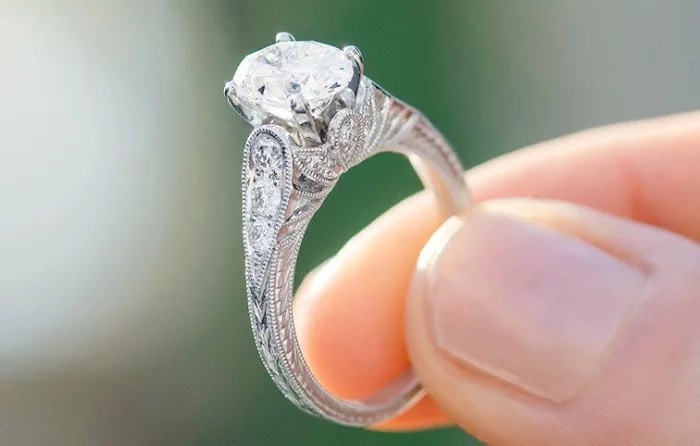
What makes these rings so captivating is their extraordinary attention to detail. Milgrain edges, hand engraved patterns, filigree galleries, and delicate accent diamonds create layers of texture that reward close inspection. Under magnification, a well-made vintage-inspired ring can be as fascinating as the diamond itself. I have spent more time than I care to admit staring through a loupe and murmuring approvingly at tiny beaded edges like a jeweler examining a miniature cathedral.

Many of the most popular vintage influences come from the Art Deco and Edwardian eras. Art Deco designs favor geometric lines, symmetry, and bold architectural forms. Edwardian styles tend to feel lighter and more romantic, with lace-like metalwork and graceful curves. Each period has its own personality. Art Deco arrives in a tailored tuxedo. Edwardian enters wearing a silk gown and carrying a handwritten love letter.

From a practical standpoint, vintage-inspired rings often provide exceptional value because the intricate setting contributes so much visual interest. The eye is drawn not only to the center diamond but also to the artistry surrounding it. This means that even a modest center stone can appear more luxurious and distinctive. It is the jewelry equivalent of placing a fine painting in an ornate frame that elevates everything around it.

In 2026, I am seeing renewed enthusiasm for rings that feel personal and enduring rather than mass-produced. Many buyers want a design with character, texture, and a sense of permanence. Vintage-inspired settings satisfy that desire beautifully. They suggest that the ring already has a story and is patiently waiting for the next chapter to begin.

If you are the sort of person who prefers antique bookstores to shopping malls and fountain pens to disposable ballpoints, a vintage-inspired ring may feel like destiny. These designs possess an old-soul charm that transcends trends. They remind us that true elegance does not shout. It leans in quietly, adjusts its cufflinks, and sparkles with the confidence of something that was always meant to last.

Final Note: Yellow Gold Makes a Powerful Comeback

If there is one metal that has swept back into the spotlight with undeniable confidence, it is yellow gold. For many years, white metals dominated engagement ring design. Platinum and white gold were the crisp white shirts of the jewelry world. Elegant, reliable, and seemingly everywhere. Then yellow gold stepped back onto the stage like a seasoned actor who never truly left and immediately reminded everyone why it became a classic in the first place.

I have always loved the warmth of yellow gold. It brings a rich and inviting tone that feels both luxurious and deeply human. Under a gemological microscope, gold is simply a metal alloy. On the hand, however, it becomes something far more emotional. It glows against the skin and frames a diamond with the same golden warmth as late afternoon sunlight spilling across the floor of an old Italian villa. Yes, I admit that may sound dramatic, but diamonds have a way of inspiring theatrical thoughts.

From a practical standpoint, yellow gold is also wonderfully forgiving. It tends to complement a wide range of skin tones and can make slightly warmer diamonds appear beautifully white when viewed face up. I often tell clients that a well-cut H or I color diamond set in yellow gold can look absolutely spectacular while saving a meaningful amount of money. It is one of my favorite examples of gemological efficiency meeting aesthetic charm.

According to the World Jewellery Confederation, in 2026, buyers are embracing yellow gold because it feels authentic. It carries a sense of permanence and heritage while still looking fresh and contemporary. Whether paired with a classic solitaire, a hidden halo, or a vintage-inspired design, yellow gold adds personality without overwhelming the center stone. It has the rare ability to feel both nostalgic and modern, like a beautifully restored sports car that still turns heads every time it passes.

When I step back and look at the ring styles that define this year, one theme becomes clear. The most popular engagement rings are not just fashionable. They are deeply personal. Some people fall in love with the clean simplicity of a solitaire. Others prefer the secret sparkle of a hidden halo or the symbolic meaning of three stones. Many are rediscovering the warmth of yellow gold. In every case, the best ring is the one that makes you glance at your hand years from now and feel the same quiet thrill you felt the first time the box was opened. Trends may shimmer for a season, but a thoughtfully chosen ring becomes part of your story, sparkling faithfully through all the chapters still waiting to be written. If you want to see me this year and speak to me in person, I will be attending the THE CENTENARY CONGRESS of the World Jewelry Federation this year in September in Vicenzta, Italy.…

The 10 GIA Tips for Buying Diamonds Online

In an era where the digital landscape has transformed the way we shop for virtually everything, purchasing diamonds online has become an increasingly popular option. However, navigating the online diamond market requires knowledge and caution to ensure that you make an informed and satisfactory purchase. The Gemological Institute of America (GIA) offers valuable tips for buying diamonds online, providing consumers with guidelines to make confident and educated decisions.


Should I Buy A Diamond Online?

The prospect of buying a diamond online raises a natural question: Is it a safe and reliable option? The answer is a resounding yes, with the caveat that you exercise due diligence. Online diamond retailers, when reputable, offer several advantages:

Should I Buy A Diamond Online

  1. Wider Selection: Online platforms provide access to a vast array of diamonds, allowing you to explore a broader selection than you might find in a traditional brick-and-mortar store.
  2. Transparency: Reputable online jewelers often provide detailed information about each diamond, including its cut, color, clarity, and carat weight. This transparency empowers buyers with essential knowledge.
  3. Competitive Pricing: Online retailers may offer more competitive pricing due to reduced overhead costs compared to physical stores.
  4. Convenience: The convenience of browsing and making purchases from the comfort of your home is a significant benefit of online diamond shopping.


Top 10 GIA Tips for Buying Diamonds Online

The Gemological Institute of America (GIA) provides valuable guidance for consumers looking to make informed decisions when buying diamonds online. The following are the 10 GIA tips for purchasing diamonds in the digital realm:

  1. Research Reputable Retailers:
  • Start by researching and choosing reputable online diamond retailers. Look for well-established businesses with positive customer reviews and a track record of transparent transactions.
  1. Check for Diamond Certification:
  • Insist on diamond rings with a recognized gemological certificate, preferably from GIA or another reputable laboratory. Certificates provide an unbiased assessment of the diamond’s quality.
  1. Understand the 4Cs:
  • Gain a solid understanding of the 4Cs—Cut, Color, Clarity, and Carat Weight. This knowledge is crucial for evaluating a diamond’s quality and determining its overall value.
  1. Verify Return Policies:
  • Carefully read and understand the online retailer’s return policy. Reputable sellers will have transparent and fair return policies in case the diamond does not meet your expectations.
  1. Examine Shipping and Insurance:
  • Inquire about shipping options, costs, and insurance coverage for the diamond during transit. Ensure that the shipment is secure, and the diamond is fully insured.
  1. Ask About Grading Standards:
  • Clarify the grading standards used by the online retailer. GIA is a widely recognized authority, and diamonds graded by GIA adhere to strict industry standards.
  1. Research the Diamond’s Provenance:
  • If possible, gather information about the diamond’s provenance. Knowing the source of the diamond can add a layer of confidence to your purchase.
  1. Read Customer Reviews:
  • Take the time to read customer reviews and testimonials about the online retailer. Genuine customer experiences can provide insights into the reliability and service quality of the seller.
  1. Use Secure Payment Methods:
  • Ensure that the online retailer uses secure and reputable payment methods. Look for secure websites with encryption to protect your financial information during the transaction.
  1. Seek Expert Advice if Needed:
  • Don’t hesitate to seek expert advice if you have questions or uncertainties. Reputable online retailers often have customer service teams or gemologists who can provide assistance.

Bonus Tip: Educate Yourself Continuously:

  • Stay informed about the diamond market, industry trends, and any updates in diamond grading standards. Continuous education empowers you to make well-informed decisions.

By adhering to these GIA tips, you can navigate the online diamond market with confidence, ensuring that your purchase is backed by reputable sources, adheres to industry standards, and meets your expectations. The GIA’s guidance serves as a valuable resource for consumers looking to make secure and informed diamond purchases online.


How to Use Knowledge of Essential 4Cs to Buy a Diamond

How to Use Knowledge of Essential 4Cs to Buy a Diamond

  1. Cut:
  • Understand the significance of a diamond’s cut, which directly impacts its brilliance and sparkle. Look for diamonds with excellent or ideal cut grades for optimal light performance.
  1. Color:
  • Familiarize yourself with the diamond color scale, ranging from D (colorless) to Z (light yellow or brown). Choose a color grade based on personal preference and budget.
  1. Clarity:
  • Learn about a diamond’s clarity, referring to the presence of internal or external flaws. Diamonds with higher clarity grades (e.g., VVS or VS) have fewer visible imperfections.
  1. Carat Weight:
  • Determine the carat weight that aligns with your preferences and budget. Keep in mind that a diamond’s value is influenced by a combination of all four Cs.


Step-by-Step Guide: How to Choose a Diamond with Diamond Registry

  1. Define Your Budget:
  • Clearly establish your budget to narrow down your options and focus on diamonds within your price range.
  1. Understand the 4Cs:
  • Use your knowledge of the essential 4Cs to make informed decisions about the cut, color, clarity, and carat weight of the diamond you desire.
  1. Research and Compare:
  1. Check Certification:
  • Ensure that the diamond you are interested in comes with a reputable certification, such as a GIA certificate. This certification verifies the diamond’s authenticity and provides details about its quality.
  1. Consider Diamond Shape:
  • Choose a diamond shape that appeals to your aesthetic preferences. Popular shapes include round, princess, emerald, and oval, among others.
  1. Review Diamond Details:
  • Scrutinize the specific details provided for each diamond, including measurements, polish, symmetry, and fluorescence.
  1. Read Customer Reviews:
  • Take advantage of online reviews and testimonials to gauge the experiences of other buyers with the Diamond Registry or the specific diamonds you are considering.
  1. Inquire About Policies:
  • Familiarize yourself with the Diamond Registry’s return policy, shipping options, and any warranties or guarantees offered.
  1. Contact Customer Service:
  • Reach out to the Diamond Registry’s customer service with any questions or concerns. A reputable online retailer will provide prompt and helpful assistance.
  1. Make an Informed Purchase:
  • Armed with knowledge, confidence, and assurance from customer reviews and certifications, make your purchase with the Diamond Registry, securing a diamond that aligns perfectly with your preferences.


Conclusion

The GIA’s tips for buying diamonds online, coupled with the step-by-step guide from the Diamond Registry, empower consumers to make informed and confident decisions when purchasing diamonds in the digital realm. With careful consideration of the essential 4Cs, thorough research, and adherence to reputable platforms, buying diamonds online can be a rewarding and secure experience.…

Tension, Split Shank, Cathedral and Flush | Diamond Ring Settings Explained

When it comes to selecting the perfect engagement ring, the setting plays a pivotal role in determining the overall aesthetic and character of the piece. Tension, split shank, cathedral, and flush are among the various diamond ring settings that have gained popularity for their unique designs and visual appeal. In this comprehensive guide, we delve into the intricacies of these settings, exploring their components, design elements, and the distinct characteristics that make each one a standout choice.


Everything You Need To Know About Ring Settings

Components & Design Elements of a Ring:

Before diving into specific ring settings, it’s essential to understand the fundamental components and design elements that contribute to the overall look of an engagement ring:

  1. Setting Type: Refers to the way in which the diamond or gemstone is secured in the ring. This includes settings like prong, bezel, pave, and more.
  2. Metal Type: The choice of metal, whether platinum, white gold, yellow gold, or rose gold, significantly influences the ring’s appearance.
  3. Band Design: The style of the band, including its width, texture, and any additional details or embellishments.
  4. Center Stone: The main diamond or gemstone that serves as the focal point of the ring.


Factors to Consider When Choosing a Ring Setting

  1. Factors to Consider When Choosing a Ring SettingLifestyle:
    • Consider your daily activities and whether the setting is suitable for your lifestyle.
  2. Comfort:
    • Choose a setting that feels comfortable and complements your hand shape.
  3. Style Preferences:
    • Consider your personal style and whether you prefer classic, modern, or vintage aesthetics.
  4. Budget:
    • Different settings and metals may vary in cost, so factor in your budget when making a selection.
  5. Maintenance:
    • Some settings require more maintenance than others. Bezel settings, for example, may require less upkeep than pave settings.


All About Tension Set Diamond Rings

Description: A tension set diamond ring is a modern and innovative design where the center stone appears to be suspended between the two ends of the metal band without any visible support. The tension created by the metal gripping the diamond securely in place is what gives this setting its name.

Key Features:

  1. Floating Appearance: The tension setting creates an illusion that the diamond is floating, allowing for maximum visibility of the stone.
  2. Contemporary Aesthetic: Tension settings are favored for their sleek and contemporary look, appealing to those who appreciate minimalist and cutting-edge designs.
  3. Secure Setting: Despite the appearance of the diamond being delicately suspended, tension settings are engineered to securely hold the stone in place.


What is a Split-Shank Engagement Ring

Description: A split-shank engagement ring features a band that divides into two separate strands as it approaches the center stone. This design often creates a visual effect of the band splitting as it reaches the setting.

Key Features:

  1. Enhanced Center Stone Focus: The split shank design draws attention to the center stone, allowing it to be a prominent feature of the ring.
  2. Variety of Styles: Split-shank settings come in various styles, from simple and classic to more elaborate designs with additional diamonds or detailing along the split.
  3. Customization Opportunities: The open spaces in the split shank offer opportunities for customization, allowing for added gemstones, intricate metalwork, or unique design elements.


Popular Variations of Split-Shank Engagement Rings

Simple Split Shank:

A straightforward design with two strands that gracefully lead to the center stone, creating an elegant and classic look.

Simple Split Shank

Diamond-Encrusted Split Shank:

The split shank is adorned with pave-set diamonds, adding extra sparkle and creating a luxurious appearance.


Twisted Split Shank:

The two strands of the split shank are twisted or braided, adding a touch of intricacy and uniqueness to the design.


Halo Split Shank:

A halo of smaller diamonds encircles the center stone, complementing the split-shank design and enhancing overall brilliance.


Vintage-Inspired Split Shank:

Incorporates vintage elements such as filigree, milgrain detailing, or engraving to evoke a sense of timeless charm.

In summary, a split-shank engagement ring is a sophisticated and eye-catching choice for those seeking a unique and stylish design. Whether you prefer a simple and classic split shank or a more elaborate variation, this setting provides versatility and customization options. The split shank not only adds visual interest to the ring but also creates a timeless yet modern aesthetic, making it a popular choice among individuals looking for a distinctive engagement ring.


Cathedral-Cut Engagement Rings

Description: A cathedral-cut engagement ring features arches or prongs that elevate the center stone above the band, resembling the graceful arches of a cathedral. This setting enhances the prominence and visibility of the main gem.


Key Features:

  1. Elevated Center Stone: The center stone is positioned higher, allowing for maximum light exposure and creating a stunning visual effect.
  2. Symbolic Significance: The elevated position of the center stone in a cathedral setting can symbolize the importance and prominence of the commitment being made.
  3. Versatile Designs: Cathedral settings can be incorporated into various styles, from classic and traditional to modern and intricate.


Flush Engagement Ring

Description: A flush or bezel setting involves placing the diamond or gemstone into the band of the ring, creating a smooth and streamlined look. The stone is set level with the surface of the ring, providing a sleek and modern appearance.

Key Features:

  1. Contemporary Design: Flush settings offer a contemporary and clean design that appeals to those who prefer a minimalist and low-profile look.
  2. Secure Setting: The stone is securely set within the band, offering durability and protection for the diamond or gemstone.
  3. Smooth and Comfortable Fit: The flush setting provides a smooth surface, making it comfortable for everyday wear without the risk of snagging.


Considerations:

  1. Less Traditional: Flush settings may be less traditional compared to more prominent settings like prong or halo styles.
  2. Limited Light Exposure: The metal surrounding the stone may limit the amount of light that reaches the gem, affecting its sparkle compared to more exposed settings.


Conclusion

Selecting the right ring setting is a crucial aspect of choosing an engagement ring that reflects personal style and preferences. Whether you are drawn to the modern allure of tension settings, the intricate elegance of split shanks, the timeless beauty of cathedral settings, or the minimalist charm of flush settings, each option offers a unique and enchanting way to showcase the beauty of your chosen diamond or gemstone. As you embark on this journey of selecting the perfect engagement ring, consider the characteristics that resonate most with you, ensuring that your ring becomes a cherished symbol of love and commitment.…

Our Readers Have Decided: The Cathedral Settings are the Most Beautiful Engagement Rings

The world of engagement rings is vast and diverse, offering a myriad of styles to suit individual preferences. Among the enchanting options, cathedral setting engagement rings have emerged as a resounding favorite among our readers. In this article, we delve into the intricacies of cathedral setting rings, exploring their styles, significance, pros, cons, types, and showcasing some of the most popular designs that have captured the hearts of many.


What is a Cathedral Setting Ring?

A cathedral setting ring is a popular and elegant style of engagement ring setting that is characterized by an elevated center stone, resembling the soaring arches of a cathedral. This distinctive design not only adds height and prominence to the main gem but also imparts a sense of grace and sophistication to the entire ring. The cathedral setting is known for its timeless appeal, making it a favorite choice for individuals seeking a classic and romantic engagement ring.

Cathedral Setting Ring

Key Features of a Cathedral Setting Ring:

  1. Elevated Center Stone:
    • The defining feature of a cathedral setting is the center stone being raised above the band. This elevation serves to draw attention to the main gem, enhancing its visibility and showcasing its brilliance.
  2. Arches or Prongs:
    • The elevated center stone is typically held in place by arches or prongs that rise up from the band, creating a visual effect reminiscent of the arches found in cathedral architecture.
  3. Open and Airy Design:
    • The space beneath the center stone in a cathedral setting often creates an open and airy feel. This design allows light to pass through and around the gem, maximizing its sparkle and brilliance.
  4. Symbolic Significance:
    • The elevated position of the center stone can carry symbolic significance, representing the importance and prominence of the commitment being made. It metaphorically elevates the precious gem, mirroring the significance of the relationship.


Styles of Cathedral Setting Rings

  1. Classic Cathedral Setting:
    Features clean lines and a timeless design with simple arches or prongs supporting the center stone. This style is often chosen for its understated elegance.
  2. Vintage Cathedral Setting:
    Incorporates intricate detailing and filigree work inspired by vintage and antique jewelry designs. Vintage cathedral settings often have a romantic and ornate appearance.
  3. Modern Cathedral Setting:
    Showcases contemporary aesthetics with sleek lines and minimalist design elements. Modern cathedral settings combine traditional elegance with a fresh and updated look.


Advantages of Cathedral Setting Rings

Cathedral setting rings, characterized by arches or prongs that elevate the center stone above the band, offer several advantages that contribute to their enduring popularity in the world of engagement rings. Here are some key advantages of cathedral setting rings:

  1. Enhanced Visibility:
    • Elevating the center stone makes it more prominent, ensuring that the gem captures attention and stands out.
  2. Symbolic Appeal:
    • The design carries symbolic meaning, emphasizing the significance of the commitment being made in a relationship.
  3. Versatility:
    • Cathedral settings can be adapted to various styles, making them versatile and suitable for a wide range of tastes and preferences.

Disadvantages of Cathedral Setting Rings

  1. Prone to Snagging:
    • The elevated design may be more prone to snagging on clothing or other materials.
  2. Cleaning Challenges:
    • The intricate design may require more effort when cleaning, as dirt and debris can accumulate in hard-to-reach areas.


Pros of Cathedral Setting Rings

  1. Showcases the Center Stone:
    • Elevating the center stone draws attention to its brilliance and allows more light to interact with the gem, enhancing its sparkle.
  2. Symbolic Significance:
    • The design symbolizes the elevated status of the commitment, adding sentimental value to the ring.
  3. Versatile Styles:
    • Cathedral settings can be incorporated into various styles, providing options for individuals with diverse aesthetic preferences.


Cons of Cathedral Setting Rings

  1. Prone to Snagging:
    • The elevated nature of the setting may make it more susceptible to snagging on clothing or other materials.
  2. Cleaning Challenges:
    • The intricate design may require more effort when cleaning, as dirt and debris can accumulate in hard-to-reach areas.

Types of Cathedral Setting Rings

  1. Classic Cathedral Setting:
    • Features a simple and timeless design with arches or prongs supporting the center stone.
  2. Vintage Cathedral Setting:
    • Incorporates intricate detailing and filigree work, inspired by vintage and antique jewelry designs.
  3. Modern Cathedral Setting:
    • Showcases clean lines and contemporary aesthetics, often with a minimalist approach to design.


Popular Cathedral Setting Rings

Cathedral setting rings, with their classic and elegant design, have captivated the hearts of many. Several renowned jewelry designers and brands offer exquisite cathedral setting rings, each with its unique flair. Here are some popular cathedral setting rings that have gained acclaim for their beauty and craftsmanship:


  1. Tiffany & Co. Cathedral Ring:
  • Signature Style: Known for its iconic simplicity and timeless design, Tiffany & Co.’s cathedral setting features a clean and classic aesthetic. The elevated center stone is beautifully showcased with arches that add a touch of sophistication.
  • Materials: Available in various metals, including platinum and white gold.
  • Notable Feature: The Tiffany Setting, introduced in 1886, is often considered the prototype for the modern engagement ring, and it frequently features cathedral-style elements.


  1. Verragio Cathedral Setting:
  • Signature Style: Verragio is celebrated for its detailed and customizable designs. Their cathedral setting rings often incorporate intricate detailing and can be personalized to suit individual preferences.
  • Materials: Verragio offers a range of options, including white gold, rose gold, and platinum.
  • Notable Feature: The Lumino setting by Verragio is a patented design that enhances the appearance of the center diamond, creating a stunning visual impact.

Verragio Cathedral Setting

  1. Tacori RoyalT Cathedral Ring:
  • Signature Style: Tacori is renowned for its intricate and handcrafted designs. The RoyalT collection features cathedral setting rings that blend regal beauty with modern sophistication.
  • Materials: Tacori uses high-quality materials, including platinum and 18k gold.
  • Notable Feature: The Crescent Silhouette, a signature Tacori design element, adds a distinctive touch to many of their cathedral setting rings.


Conclusion

Cathedral setting engagement rings have earned their place as the epitome of beauty and symbolism in the world of bridal jewelry. Their versatile designs, sentimental significance, and ability to showcase the brilliance of the center stone make them a beloved choice among those seeking a ring that exudes both grace and timeless charm. As our readers have attested, the cathedral setting is undeniably one of the most beautiful options for expressing everlasting love and commitment.…

The Science of Spectroscopy | Diamond Analysis Performed By FTIR Spectroscopy

In the world of gemology and material science, the quest for precision and accuracy in analyzing diamonds has led to the development of sophisticated techniques, and one such method is Fourier-Transform Infrared (FTIR) Spectroscopy. This powerful analytical tool has proven invaluable in unraveling the intricate details of diamond composition, offering gemologists and researchers unprecedented insights into the properties of these precious gemstones.


What is FTIR Spectroscopy?

Fourier-Transform Infrared (FTIR) Spectroscopy is a powerful analytical technique used to study the interaction of infrared light with matter. It provides valuable information about the molecular composition, chemical structure, and functional groups of a wide range of materials, including gases, liquids, and solids. FTIR spectroscopy is employed in various scientific disciplines, such as chemistry, biology, physics, and material science, for qualitative and quantitative analysis of substances.

What is FTIR Spectroscopy

Basic Principles

  1. Infrared Radiation:
    • FTIR spectroscopy focuses on the infrared region of the electromagnetic spectrum, typically ranging from 2.5 to 25 micrometers (μm).
    • Infrared radiation corresponds to the energy required to excite molecular vibrations, such as stretching and bending of chemical bonds.
  2. Sample Interaction:
    • When a sample is exposed to infrared radiation, the energy absorbed by the sample leads to changes in the vibrational and rotational states of its molecules.
    • Different functional groups within a molecule absorb infrared radiation at specific frequencies, resulting in characteristic absorption bands.
  3. Interferometry:
    • The core of FTIR spectroscopy lies in interferometry, a technique that measures the interference of two beams of light.
    • In an FTIR spectrometer, the infrared beam is split into two paths: one interacts with the sample, and the other serves as a reference.
  4. Fourier Transform:
    • The two beams are recombined, and their interference pattern, known as an interferogram, is recorded.
    • A mathematical technique called Fourier transform is applied to convert the interferogram from the time domain to the frequency domain.
  5. Infrared Spectrum:
    • The result of the Fourier transform is an infrared spectrum, which represents the intensity of absorbed infrared radiation at different frequencies.
    • Peaks in the spectrum correspond to specific vibrational modes of molecular bonds, providing a unique fingerprint for each substance.


Key Components of an FTIR Spectrometer

  1. Infrared Source:
    • A stable and intense infrared light source, often a thermal source or a specialized source like a globar.
  2. Interferometer:
    • The interferometer is crucial for splitting, modulating, and recombining the infrared light beams. Common types include Michelson interferometers.
  3. Sample Compartment:
    • The area where the sample interacts with the infrared light. Samples can be in the form of liquids, gases, or solids.
  4. Detector:
    • The detector records the intensity of the infrared light after it has interacted with the sample. Common detectors include mercury cadmium telluride (MCT) or deuterated triglycine sulfate (DTGS).
  5. Data System:
    • A computer system processes the interferogram data using Fourier transform algorithms, producing the final infrared spectrum.


Analysis of Diamonds by FT-IR Spectroscopy

Diamonds, with their mesmerizing brilliance and enduring allure, have been a subject of fascination and study for centuries. The quest to understand their composition, origin, and unique characteristics has led to the development of sophisticated analytical techniques. Among these, Fourier-Transform Infrared (FT-IR) Spectroscopy has emerged as a powerful tool for the detailed analysis of diamonds.

Analysis of Diamonds by FT-IR Spectroscopy

The Significance of Diamond Analysis

Diamonds are formed deep within the Earth’s mantle under extreme pressure and temperature conditions. During this process, various impurities and defects can be incorporated into the crystal lattice, influencing the diamond’s properties. Understanding the specific impurities present and their concentrations is crucial for gemologists, as it provides insights into the diamond’s color, transparency, and even its geographic origin.


The Basics of FT-IR Spectroscopy

Fourier-Transform Infrared Spectroscopy is a non-destructive analytical technique that measures the interaction of infrared light with a material. In the context of diamonds, it involves exposing the sample to infrared radiation and observing how the material absorbs different wavelengths. The resulting spectrum provides a unique fingerprint of the diamond’s molecular composition.


How FT-IR Analysis Works on Diamonds

  1. Sample Preparation: Diamond samples for FT-IR analysis are typically in the form of microscopic particles or thin sections. The sample’s size and preparation are critical to ensure accurate and representative results.
  2. Instrumentation: A high-quality FT-IR spectrometer is employed, equipped with a powerful infrared light source and a detector. The diamond sample is placed in the path of the infrared beam.
  3. Interaction with Infrared Light: As the infrared light interacts with the diamond, certain chemical bonds within the crystal lattice absorb specific frequencies of light. This absorption is characteristic of the impurities or defects present.
  4. Data Acquisition: The FT-IR spectrometer records the intensity of transmitted light at various wavelengths. The resulting data, known as the infrared spectrum, is then processed to identify absorption bands associated with different chemical entities.


Diamond-Specific Impurities Detected by FT-IR

  1. Nitrogen-Vacancy (NV) Centers: Common in diamonds, NV centers are responsible for the yellow or brown coloration. FT-IR spectroscopy can detect and quantify nitrogen impurities in various forms.
  2. Hydrogen-Related Defects: Hydrogen plays a crucial role in affecting the color of diamonds. FT-IR helps in identifying and quantifying hydrogen-related defects.
  3. Other Trace Impurities: FT-IR can reveal the presence of other impurities, such as boron, which imparts a blue color, or nickel, which may cause a green hue.


Advantages of FT-IR Spectroscopy in Diamond Analysis

  1. Non-Destructive: FT-IR spectroscopy allows for the analysis of diamonds without altering their physical or chemical properties.
  2. High Sensitivity: The technique can detect impurities in extremely low concentrations, providing detailed information about the diamond’s purity.
  3. Quantitative Analysis: FT-IR enables quantitative analysis, allowing researchers to determine the concentration of specific impurities.


How Does FTIR Analysis Work?

FTIR spectroscopy operates on the fundamental principle that different chemical bonds absorb infrared radiation at distinct frequencies. This absorption pattern, known as the infrared spectrum, serves as a unique fingerprint for each material. In the context of diamond analysis, FTIR spectroscopy focuses on identifying the absorption bands associated with specific impurities or defects within the diamond lattice.


The FTIR instrument utilizes interferometry to measure the intensity of infrared radiation passing through a sample. A beam of infrared light is directed onto the diamond specimen, and the transmitted light is then split into two paths. One path travels through the sample, while the other serves as a reference. The two beams are recombined, and the resulting interference pattern is analyzed through a Fourier transform to produce the infrared spectrum.


Conclusion

The marriage of FTIR spectroscopy and diamond analysis has propelled gemological research to new heights, allowing scientists and gemologists to unlock the secrets embedded within these exquisite gemstones. The precision and sensitivity of FTIR spectroscopy offer a deeper understanding of the molecular intricacies of diamonds, shedding light on their formation, provenance, and quality. As technology continues to advance, FTIR spectroscopy stands as a cornerstone in the ongoing quest to explore the mysteries of diamonds and the broader field of materials science.…

About Us: The Science Behind Buying Diamond Rings

Welcome to ScienceOfSpectroscopy.info, where we delve deep into the mesmerizing world of diamond rings. Our mission is to enlighten, educate, and guide you through the intricate journey of finding that perfect diamond ring. At the heart of our platform is a passion for the science of spectroscopy, the study of the interaction between matter and electromagnetic radiation. We believe that understanding this science can greatly inform your diamond buying decisions.

Why Spectroscopy Matters When Buying Diamonds:

Every diamond has a story, and spectroscopy helps unveil it. It can tell us about a diamond’s purity, its origins, and any treatment it might have undergone. This insight is invaluable when you’re looking to make an informed purchase.

  1. Purity and Quality: The brilliance of a diamond comes from its ability to refract light. Spectroscopy can detect minute impurities and inclusions that can influence a diamond’s radiance. When you understand the spectral analysis of a diamond, you can ensure you’re getting a gemstone of the highest quality.
  2. Origin and Ethics: The world has become increasingly conscious about ethically sourced diamonds. Spectroscopy can shed light on the geographical origin of a diamond, helping buyers ensure their chosen gem is conflict-free.

Picking the Right Diamond:

  • The Four Cs: Cut, Color, Clarity, and Carat weight are the traditional metrics for evaluating diamonds. But with a knowledge base in spectroscopy, you gain an additional layer of understanding. For example, the color of a diamond is not just about preference but also about its chemical composition and atomic structure.
  • Shape and Symmetry: Beyond the 4 Cs, consider the shape of the diamond. Each shape reflects light differently and possesses its unique charm. Moreover, the symmetry of the diamond cut influences how light refracts within the gem, adding to its brilliance.

Choosing the Perfect Setting:

The diamond may be the centerpiece, but the setting plays a critical role in enhancing its beauty.

  • Metal Choice: From the timeless elegance of gold to the modern allure of platinum, the metal you choose complements the diamond. Consider the wearer’s style, skin tone, and the color grade of the diamond when deciding.
  • Design and Style: From solitaire to halo, and vintage to modern, the design of the setting can change the ring’s overall look. It’s essential to select a style that resonates with the wearer’s personal taste and daily life.
  • Security: The setting should not only be beautiful but also secure. Prong, bezel, and channel settings offer different levels of security and aesthetics.

We hope that by offering a blend of scientific insights and aesthetic guidance, we can help demystify the process of buying diamond rings. Dive deep into our articles, resources, and guides to discover the beautiful interplay of science and art in the world of diamonds.

Your quest for the perfect diamond ring starts with knowledge. Welcome to the fascinating journey with ScienceOfSpectroscopy.info.…